AI-generated imagery has become an everyday tool for designers in 2025. But the best creative work doesn’t just rely on AI alone—it’s about blending the speed and surprise of artificial intelligence with the personal, human touch of manual editing and curation.
In this article, we’ll explore how leading designers are combining tools like Midjourney, DALL-E, and Ideogram with classic design skills to create unique, high-impact visuals.
1. Why AI Imagery Is Booming in 2025
AI image generators have democratized visual creativity. Now, anyone can turn a text prompt into stunning artwork in seconds.
Brands, freelancers, and agencies use AI-generated visuals for everything from concept art to social media content, product mockups, branding, and even advertising campaigns.
But:
Without human input, AI art can feel generic or “soulless.” The top designers use AI as a starting point—not the finished product.
2. How Designers Blend AI and Manual Editing
a. Start with a Smart Prompt
Top designers spend time crafting prompts that capture mood, style, color palette, and emotion.
Example:
“Surreal futuristic cityscape, sunrise, vibrant pastel colors, cinematic lighting, minimal noise, 4K.”
b. Curate and Refine
Don’t just take the first result!
-
Generate multiple options
-
Curate the best images
-
Use Photoshop, Lightroom, or Procreate for touch-ups, retouching faces, adjusting color, or combining AI images with real photos or hand-drawn elements.
c. Remix & Add Value
Overlay typography, brand elements, or illustration.
Blend several AI results into a collage.
Add grain, textures, gradients, or visual effects for a truly custom look.
3. Case Study: Branding Project with AI Imagery
A freelance designer creates a visual identity for a startup wellness brand:
-
Uses Midjourney to create dreamy background textures and abstract patterns.
-
Edits the AI output in Photoshop—combining it with original logo, hand lettering, and photography.
-
Final results: a brand identity that’s unique, fast to produce, and visually stunning—while still feeling personal and thoughtful.
4. Pitfalls & Ethical Tips
-
Check Copyright:
Some AI images may resemble existing artwork. Always read platform licenses and avoid copying recognizable art styles without permission. -
Be Transparent:
Clients and audiences appreciate knowing when AI was used. Be honest about your process—it shows you’re innovative and ethical. -
Don’t Over-Automate:
The magic happens when you mix tech with your own taste, skills, and ideas.
5. Tools Designers Use in 2025
-
Midjourney – stunning, highly stylized AI images
-
DALL-E 3 – realistic, creative images from text
-
Ideogram AI – AI image generation with advanced typography
-
Adobe Photoshop & Procreate – manual editing, retouching, and blending
You May Also Like:
External Resources
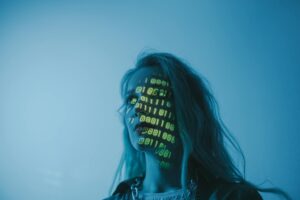
Alt text: AI-generated imagery for designers: Person editing AI art on tablet with stylus, mixing digital effects in a modern workspace, 2025.
Conclusion
AI-generated imagery gives every designer a superpower—but the magic happens when you combine machine speed with your own vision and craft.
The best creative work of 2025 comes from blending the futuristic with the personal. Don’t be afraid to experiment: use AI for exploration, then finish with your own touch.
This is how art and technology truly work together.